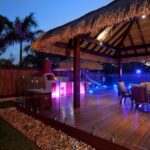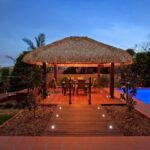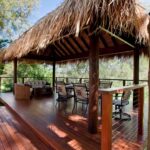
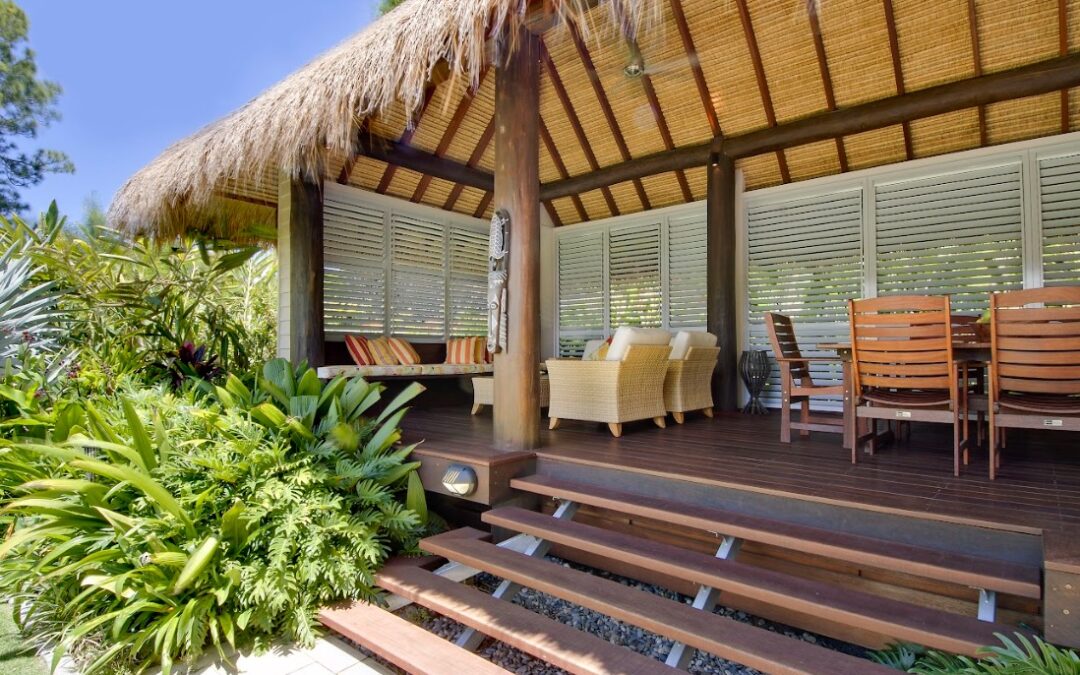
Creating an inviting outdoor space can greatly enhance your home environment. A deck serves as a versatile extension of your living space, perfect for entertaining, relaxing, and enjoying the beauty of nature. The right deck can transform your backyard, but with various materials and designs available, how do you pick the best option for your needs? This article will break down the key considerations in choosing the ideal deck for your backyard.
Understanding Deck Types
When considering a new deck, it’s essential to familiarize yourself with the primary types available:
- Timber Decking: A classic choice, timber offers warmth and natural beauty. It is available in various species, including hardwoods like Australian Spotted Gum and treated pine. Timber decks require regular maintenance to protect against weathering and pests.
- Composite Decking: Made from a combination of plastic and wood fibers, composite decking provides durability and low maintenance. It resists fading, splintering, and staining, making it a popular choice for busy households.
- PVC Decking: Composed of 100% synthetic materials, PVC decking offers excellent resistance to moisture, making it ideal for beachside or high-humidity areas. It comes in various colours and textures but can be more expensive than other materials.
- Aluminium Decking: This modern option is lightweight, strong, and resistant to weathering and corrosion. It’s an excellent choice for contemporary designs but may not offer the warm aesthetic of timber.
Aesthetic Appeal
The design of your deck should harmonize with your home’s architectural style and the surrounding landscape. Consider the following elements:
- Colour and Finish: Choose colours that complement your home. For example, a natural timber finish may suit a rustic-style home, while a sleek composite finish may be better for a modern abode.
- Texture: The texture of the decking surface can influence the overall aesthetic. Smooth surfaces may lend a contemporary feel, while grooved textures can provide a more traditional look.
Purpose and Functionality
Think about how you intend to use your deck. Will it be for entertaining, family gatherings, or a tranquil spot to unwind? Different functions can require unique features:
- Outdoor Entertaining: If hosting is your goal, consider a large deck with ample seating and built-in features like benches or planters.
- Family-Friendly: A lower deck can be ideal for children, creating safe play areas. Ensure it’s designed with non-slip surfaces to prevent accidents.
- Relaxation Spaces: For a tranquil retreat, consider adding features like built-in seating, plant boxes for greenery, or even outdoor heaters for cooler evenings.
Consider Local Climate
Weather conditions play a vital role in your decision. Materials behave differently under varying climates:
- Hot and Sunny: UV-resistant materials are crucial in sunny areas to avoid fading and overheating underfoot.
- Wet and Humid: Choose decking with moisture resistance, such as composite or PVC, to prevent mold and mildew.
- Cold and Snowy: Insulated materials can provide added warmth during winter months, while textured surfaces can reduce the risk of slipping on snow.
Budgeting and Maintenance
Cost is often a significant factor in any home improvement project. Preparing a budget should include not only the initial investment but also ongoing maintenance expenses:
- Initial Costs: Timber typically has a lower upfront cost than composite or aluminium but may incur higher maintenance costs over time.
- Maintenance: Routine upkeep can involve staining, sealing, or cleaning. Understanding the maintenance requirements of your chosen material can help you manage long-term costs effectively.
Durability and Lifespan
Each decking material will have a varying lifespan based on its properties and your climate:
- Timber: With proper care, timber decks can last 15 to 25 years, but they do require regular maintenance. It’s essential to seal and paint or stain timber annually to protect it from the elements.
- Composite: Known for its durability, composite decking can last 25 to 30 years or more. Minimal maintenance is necessary, mainly an occasional wash to keep it looking good.
- PVC: Similar to composite, PVC decking has a long lifespan of around 30 years. It is resistant to fading and rotting, requiring very little maintenance aside from cleaning.
- Aluminium: This material is exceptionally durable and can last 50 years or longer without the need for extensive maintenance. Its resistance to corrosion makes it suitable for various climates, particularly coastal areas.
Safety Considerations
Safety should always be a priority when designing your deck:
- Handrails: If your deck is raised above the ground, ensure it has secure handrails. Consider the height and spacing of the balusters to prevent accidents.
- Non-slip Surfaces: Whether choosing timber, composite, or PVC, opt for non-slip finishes. This is particularly important in wetter environments.
- Structural Integrity: Ensure that the underlying structure of your deck is robust. It should be built to code, with proper support to sustain weight. If you’re unsure, hiring a professional for construction may be wise.
Professional Help vs. DIY
Deciding between a do-it-yourself approach and hiring a professional can affect both the outcome and your overall experience:
- DIY: If you have the skills and time, building your deck can be a satisfying project. Many retailers provide kits with pre-cut materials, making the process easier.
- Hiring Professionals: If budget permits, hiring experts ensures quality workmanship and compliance with local building codes. Professionals can also provide insights into the best materials and design options based on your space.
Design Tips
When planning your deck, consider the following design tips to enhance usability and appeal:
- Incorporate Levels: A multi-level deck can add visual interest and create distinct areas for different purposes, such as dining and lounging.
- Lighting: Installing ambient lighting can extend your deck usage into the evening. Consider using solar lights or LED options for energy efficiency.
- Landscaping: Integrate your deck into the surrounding landscape. Use potted plants or built-in planter boxes to soften the edges and enhance aesthetics.
- Shade Structures: If you live in a hot climate, consider adding a pergola or shade sails. This will provide comfort and protect your furniture from sun damage.
Personal Touches
To make your deck truly your own, personalize the space with thoughtful decor:
- Furniture: Choose outdoor furniture that reflects your style, whether modern or traditional. Ensure that it is weather-resistant for long-term use.
- Textiles: Use cushions and outdoor rugs to add comfort and colour. Select fade-resistant fabric to maintain vibrancy over time.
- Decorative Items: Personal touches like lanterns, planters, or outdoor artwork can enhance the ambience of your deck and reflect your personality.
Choosing the right deck for your backyard involves considering various factors, including materials, usage, local climate, aesthetic appeal, and safety. With proper planning and thoughtfulness, you can create an outdoor space that not only meets your functional needs but also enhances your home’s overall charm.
If you have more questions or need assistance in planning your dream deck, feel free to reach out to us via our contact page at East Coast Bali Huts and Gazebos. What features do you envision for your ultimate backyard deck?